Becoming Fleet Safety Certified: How to, Programs & More
Jan 26, 2026•11m
Key takeaways
- Fleet safety certification helps protect your business from legal, financial, and operational risk — especially when a crash or compliance audit puts your policies under the spotlight.
- There’s no single certification path. Options range from defensive driving to DOT compliance to fleet manager-level training — the right choice depends on your role and risk exposure.
- Getting certified takes more than enrolling in a course. You’ll need to formalize safety policies, train your team, document everything, and commit to ongoing oversight.
- Platforms like One Step GPS give you what others bury behind paywalls — real-time behavior tracking, integrated dash cams, and 1-30 second live updates. You’re not getting less. You’re getting what actually works, without the bloat or the BS.
Insurance premiums rising? Compliance audits around the corner? One serious accident could wipe out months of profit — especially if your drivers aren’t backed by the right training or documentation.
Becoming fleet safety certified gives you more than a badge — it gives you protection.
It proves your drivers are trained, your policies are solid, and your fleet isn’t flying blind when something goes wrong. And in many cases, it can even lower your insurance rates.
In this guide, we’ll break down exactly how to get certified, which programs are worth your time, and how tools like GPS tracking and dash cams support the process from day one.
Let’s get into it…
The importance of becoming fleet safety certified
Getting certified isn’t just a formality, it’s a way to protect your people, your bottom line, and your business when things go wrong. Here’s why it matters:Protection for your drivers on the road
Your drivers are the face of your fleet — and often the first ones exposed to risk. Certification ensures they’re trained to handle real-world driving situations safely and confidently. That training can reduce accident rates, but just as importantly, it shows you’ve done your part to protect them when the blame game starts.Legal protection when the blame falls on your driver
If your driver causes an accident, you need more than good intentions — you need documentation. Safety certification shows you trained your team, enforced policies, and took reasonable precautions. That proof can reduce liability or even shield you from claims entirely.Stronger compliance with FMCSA and DOT rules
Many certification programs align with federal standards. That means less scrambling during audits and fewer surprises during inspections. Safety logs, training documentation, and structured policies become tools you can rely on — not paperwork you rush to create later.Insurance discounts that actually make a dent
Insurers know safety-certified fleets have fewer incidents. That’s why many offer lower premiums or better terms to companies with verifiable training programs and driver monitoring in place. Certification could save you thousands over the long run.A more accountable, prepared team
Certification doesn’t just help you, it helps your drivers. The training improves decision-making behind the wheel and reinforces the standards you expect. Over time, this creates a stronger safety culture and fewer costly mistakes.Legal requirements & compliance for fleet vehicles
The FMCSA requires motor carriers to implement safety programs, maintain driver qualification files, and track hours of service. For some fleets - especially those crossing state lines or hauling regulated materials - the compliance checklist gets even longer.
Fleet safety certification helps close the gap. It formalizes your safety policies, documents training, and aligns your practices with what DOT inspectors and insurance adjusters want to see.
That means less time chasing paperwork and more confidence that your operation holds up under scrutiny — whether it's a routine audit or a post-incident investigation.
Types of fleet safety certifications
Fleet safety certification isn’t one-size-fits-all. Depending on your role, fleet size, and risk exposure, here are the key certification types to consider, each with a different focus.Defensive driving certification
This is the foundation for safer roads. Defensive driving programs teach drivers how to spot risks early, reduce distractions, and make smart decisions in high-pressure moments — all based on real-world scenarios. These certifications are often recognized by insurers and can directly reduce accident rates. They’re especially useful for fleets dealing with high mileage, tight schedules, or newer drivers.Fleet safety manager certification
Designed for the person overseeing the fleet’s risk profile, these certifications focus on policy development, training implementation, driver evaluation, and incident response. You’ll learn how to build a safety culture, document compliance, and analyze trends to lower risk. This is a must-have if you’re the one signing off on policies, reviewing telematics, or handling insurance claims.
DOT/FMCSA compliance training
For fleets under DOT oversight, staying compliant is non-negotiable. These certifications cover key areas like hours-of-service rules, vehicle inspection requirements, maintenance logs, and drug/alcohol testing policies. They’re often tailored to safety managers and can serve as a buffer against fines, out-of-service orders, or audit-triggering violations.Vehicle- or industry-specific safety training
Some certifications go deep on specialized equipment or niche sectors. For example:- Passenger transport: Focus on rider safety, ADA compliance, and route planning.
- Hazmat: Covers containment, labeling, and emergency procedures.
- Construction or oil/gas fleets: Emphasize site safety, load security, and off-road vehicle operation.
Fleet safety certification programs
Once you know what type of certification you need, it’s time to pick a program that fits your fleet’s goals, size, and daily operations. Here are some of the most trusted options in the industry:NAFA Fleet Safety Certification
From the NAFA Fleet Management Association, this certification takes a broader view, covering driver safety, policy creation, vehicle selection, and lifecycle management. It’s less tactical than others but great for organizations looking to level up their safety strategy across the board.
Best for: Executive-level fleet managers looking to align safety with long-term operational planning.
How to become fleet safety certified
Getting certified isn’t complicated, but doing it right takes more than just signing up for a course. Here’s how to approach it like a pro:1. Assess your current safety risks
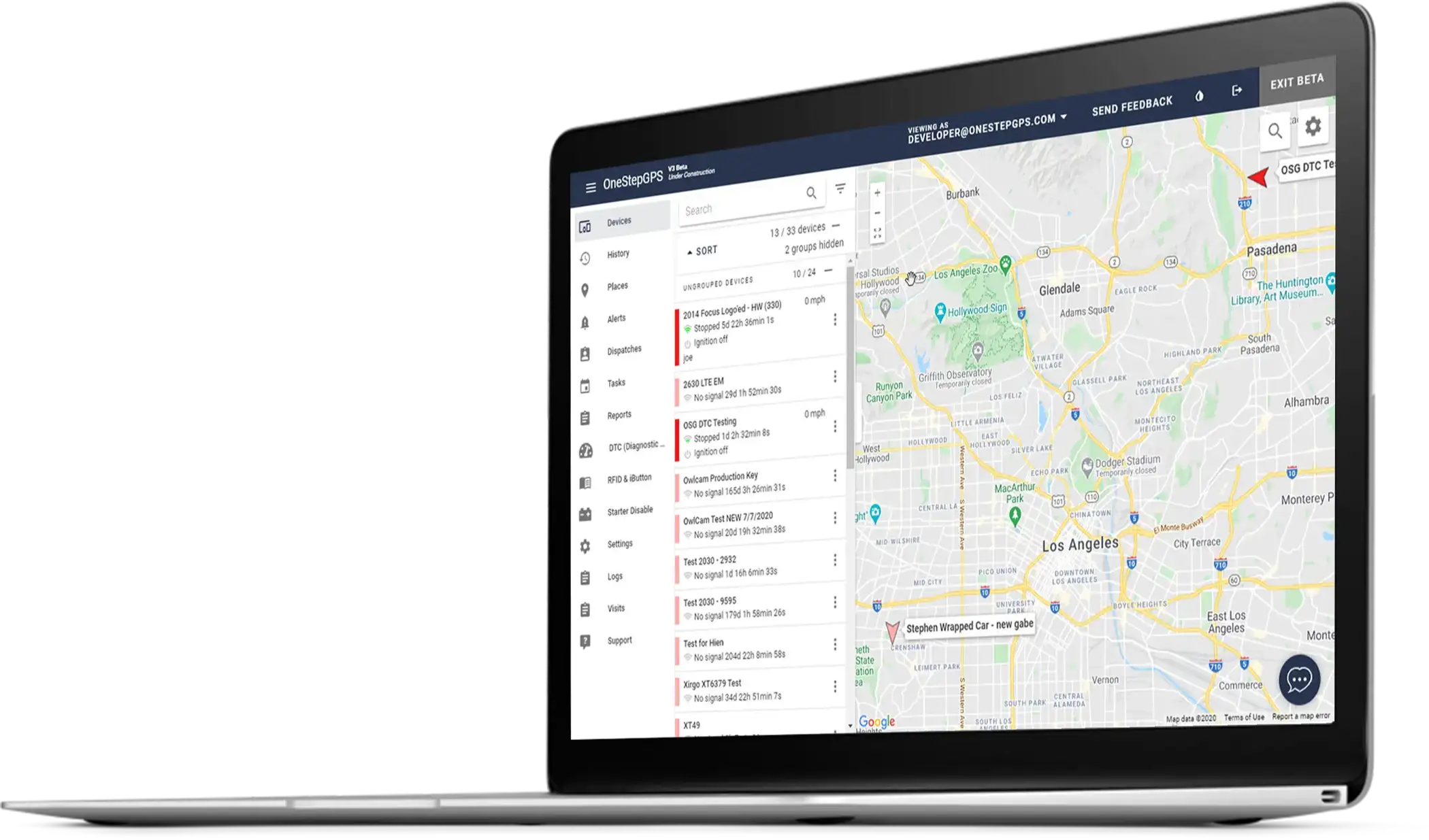
Start by digging into your incident reports, driver behavior data, and maintenance records. What’s going wrong? Is it speeding? Harsh braking? Missed inspections?Pro Tip: If you're using One Step GPS, your dashboard already has this data. Look at weekly driver scorecards, trip history, and maintenance alerts to spot gaps quickly.
2. Choose a program that fits your operation
Not every certification is created equal. Match the program to your needs:- Lots of new drivers? Start with defensive driving.
- Managing compliance? Choose a safety manager course.
- Under DOT oversight? Look for FMCSA-specific content.Don’t overcomplicate it — focus on the one that solves your biggest issue first.
3. Formalize your fleet safety policy
This is where most fleets drop the ball. Certification programs expect to see clear documentation: how you train drivers, enforce policies, handle violations, and inspect vehicles. Put it in writing — not just word of mouth. If you need a shortcut, many training providers offer templates. Just make sure they’re tailored to your vehicles, routes, and risk profile.4. Train your team — and log everything
Schedule training, track completion, and document the results. This paper trail is your lifeline during audits or accident investigations. If you can’t prove it happened, it didn’t. Use whatever tools work for you — LMS platforms, spreadsheets, or training portals. What matters is verifiable proof that safety is part of your operation, not just lip service.5. Use GPS tracking to back it all up
Certifications are stronger when you have the data to prove what happens on the road. Real-time GPS tracking shows when drivers speed, idle too long, or break safety protocols. That data helps you:
- Reinforce training with real examples
- Flag repeat offenders
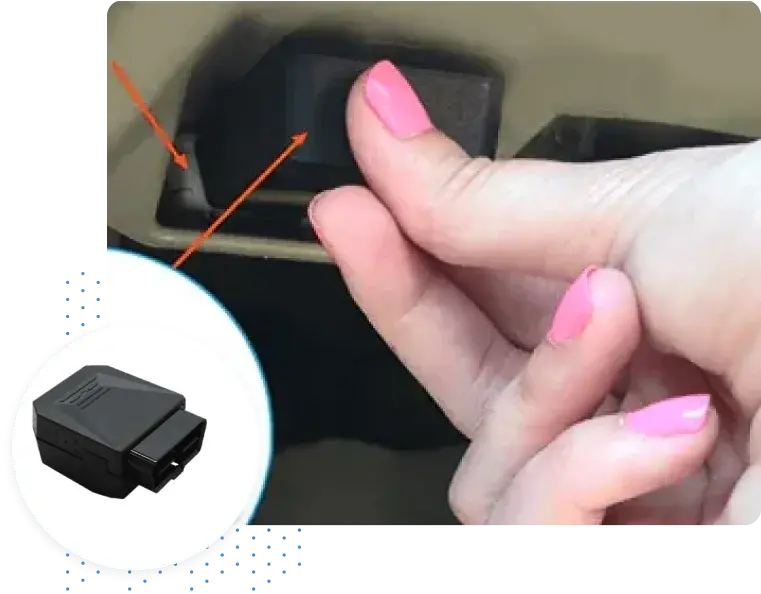
- Show insurers you're serious about riskAnd with platforms like One Step GPS, it’s plug-and-play — no long installs, no overbuilt systems.
6. Keep it alive — review and retrain
Certification isn’t one-and-done. Set a recurring schedule for retraining, especially after incidents or when adding new vehicles/drivers. Keep logs updated. Stay ready for audits. Fleets that retrain at least once a year report fewer violations and better insurance outcomes than those that treat certification as a checkbox.Other fleet safety & management considerations
Certification is the start, but ongoing safety depends on how you manage drivers, vehicles, and risk in real time. Here are key areas to build into your daily operations:Driver behavior monitoring
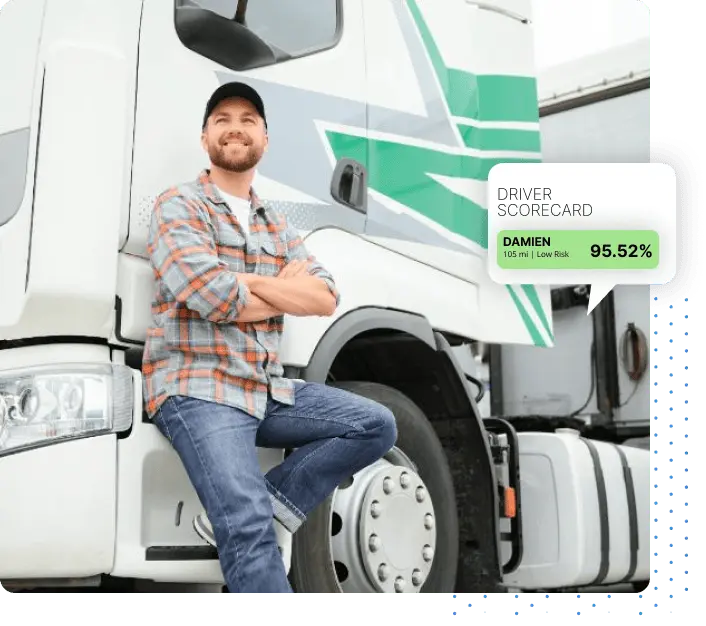
Knowing how your drivers actually behave on the road matters. Harsh braking, speeding, aggressive turns — they all add risk and cost. A behavior monitoring system helps you coach better habits before they lead to incidents.What helps: GPS tracking platforms like One Step GPS flag risky behaviors automatically, so you can act fast — without combing through hours of trip data.

One Step GPS is an essential tool for company vehicles and drivers' safety. Benefits are tenfold." — Smart EQ Vet
In-vehicle camera systems
Dashcams aren’t about spying — they’re about protecting. They provide video evidence in case of disputes, theft, or accidents, which can be the difference between a resolved claim and a lawsuit.
One Step GPS dash cams go a step further with real-time in-cab audio alerts and built-in AI that detects distracted driving, phone use, tailgating, and more. These features don’t just record incidents — they help prevent them in the moment. And everything’s integrated with your GPS tracking, so you can review video alongside trip history and vehicle data in one dashboard.
Buyer Top Tip: You get both the GPS tracker and the AI-enabled dash cam — with real-time alerts, safety monitoring, and trip video playback — for just $29.95/month. No contracts. No hidden fees. Just clarity and protection that works from day one.
Real-time vehicle tracking
Live location data helps you respond quickly if something goes wrong — and it keeps drivers more accountable, even when they’re on long solo routes.Bonus benefit: When drivers know their performance is visible, safety often improves without even needing to intervene.
Prior to installing One Step's GPS we had little to no information on our drivers and technicians once they left the building. After installation, we have been able to enforce a level of accountability on our employees that was missing." — Caw Lighting

Automated maintenance scheduling
A safe fleet is a well-maintained one. Missed inspections or delayed oil changes can lead to mechanical failures — or worse. Use automated reminders and digital logs to stay ahead of the curve.
One Step GPS includes built-in maintenance tools to track service intervals by mileage or time — no separate software needed.
This product has really helped us stay on top of maintenance and catch any private, unauthorized use of company vehicles. Highly recommend." — Hope Home Inspections
Policy enforcement and recordkeeping
Even the best safety policy fails if it isn’t followed. Make sure your enforcement plan includes progressive discipline, regular check-ins, and retraining. And keep records of every training, inspection, and incident response.Why it matters: Certification bodies and insurers will ask for proof — especially after a serious incident.
One Step GPS has been very helpful for our company. It keeps our employees accountable and the system itself has been super easy to work with." — Anchor Restoration
Final thoughts: safety certification is the start — not the finish line
Getting your fleet safety certified isn’t just a smart move — it’s a protective layer for your drivers, your business, and your bottom line. But certification only works when it’s backed by consistent oversight, clear policies, and tools that make accountability easy.
That’s where a system like One Step GPS pays off — real-time tracking, behavior alerts, dash cam footage, and automated logs help keep your operation tight and your team protected long after the certificates are framed.
See how One Step GPS helps you build a safer, more accountable fleet

I am very happy with One Step GPS in all ways. I have used 4 other services in the past . Some of my systems from other companies in past have honestly been just a huge waste of money. One Step has top notch customer service and quick to respond to email questions. System is user friendly with all features needed to keep track of my fleet. No contract is added bonus ,though if a system works you don't need to worry about trying to get out of one. Looking forward to a long relationship with One Step GPS. " — Northwest Mechanical
Author

Mykael Korpash
Fleet and Tech writer
Table of Contents
Start using One Step GPS
Enterprise-grade fleet tracking, $13.95/mo, no contracts
100-day money back guarantee
Lifetime warranty
1-30 second updating
4G LTE Equipment


★★★★ ★ ★
4.9 / 5 Serving over 20,000 fleets
20,000+ of the world's fleets are monitored with One Step GPS




























Author
Mykael Korpash
Fleet and Tech writer
Mykael writes on all things fleet and tech for One Step GPS. She has a nuanced knowledge of actual user experiences with fleet tracking software and of modern fleet issues and covers the most important topics in the space.