2025 Fleet Management Operations: What, How & More
Jan 20, 2026•11m
Key takeaways
- Fleet management operations involve tracking vehicles, monitoring drivers, scheduling maintenance, managing assets, and staying compliant — all to keep your business moving efficiently and safely.
- Optimizing your operations means replacing fragmented systems with one platform that provides real-time visibility, automates routine tasks, and helps prevent costly issues before they escalate.
- The right tools make the difference — GPS tracking, dash cams, maintenance alerts, and driver scorecards aren’t extras; they’re essentials for cutting costs and reducing risk.
- One Step GPS helps fleets take control without complexity or contracts. It’s an intuitive platform that makes safer, leaner operations easy to achieve — and easier to manage.
Managing a fleet in 2025 is no small task. Rising costs, disconnected systems, and underwhelming support from GPS providers can make even simple operations feel harder than they should.
If you're here, there's a good chance your current setup isn’t keeping up — and you’re looking for something better.
Fleet management operations are meant to give you control. That means real-time visibility, safer drivers, fewer breakdowns, and systems that simplify the job — not pile more to your plate.
In this guide, we’ll break down what modern fleet ops actually include, how to spot the friction points, and how to optimize your operation with tools that are built for today’s challenges.
Whether you're managing 5 vehicles or 500, the path to a leaner, smarter fleet starts here.
An overview of fleet management operations
Fleet management operations cover everything it takes to keep your vehicles, assets, and drivers running safely, efficiently, and cost-effectively. That includes vehicle tracking, maintenance scheduling, fuel usage monitoring, driver performance, compliance, and more.
At its core, it’s about gaining control and visibility over your entire fleet — not just where your vehicles are, but how they’re being used and what it’s costing you. In 2025, that means using connected tools and smart processes to stay competitive, cut waste, and prevent problems before they happen.
The key components of fleet operations
Fleet operations are more than just moving vehicles from point A to B. The real value — and real complexity — lies in the systems that support every trip, every driver, and every asset.
To run an efficient fleet in 2025, you need visibility, control, and accountability across the following areas:
Vehicle tracking and telematics
Live GPS tracking gives you real-time insight into vehicle location, speed, and route history. But modern telematics goes further, collecting data on idling time, harsh braking, unauthorized stops, and more.
With One Step GPS, you get superior, real-time tracking and event-based alerts — helping reduce fuel waste, verify job status, and respond faster when issues arise.
Driver behavior monitoring
Your drivers are your biggest asset — and your biggest risk. Tools that track behaviors like speeding, sharp turns, and aggressive driving help you identify coaching moments and reward safe habits.
One Step GPS delivers instant alerts for dangerous behaviors like speeding and harsh driving, and driver scorecards that show fleet and driver-level safety trends that make it easy to spot risks early and reinforce good habits which save money and lives.
Maintenance scheduling
Preventive maintenance keeps your fleet moving — and keeps unexpected costs off your balance sheet.
One Step GPS sends real-time alerts for diagnostic trouble codes (DTCs), mileage thresholds, and engine hours, so you're not relying on driver reports or manual inspections to catch issues. It also allows you to log service history and set alerts for scheduled maintenance, helping you proactively maintain your fleet, not just react after something breaks.
Asset tracking
Not everything you manage has an engine. From trailers to generators to heavy equipment, tracking non-powered assets helps you rapidly locate any asset instantly, reduce theft, keep tabs on usage, and avoid leaving valuable gear behind at job sites.
One Step GPS offers compact, rugged and easily hideable asset trackers that make it simple to monitor location and movement without complex installs or power hookups.Fuel management
Fuel is one of your largest recurring expenses. One Step GPS gives you the tools to spot and reduce fuel waste — from idling and speeding alerts to smarter route planning and unauthorized use notifications. Even small improvements compound into big savings across a fleet.Compliance and reporting
Whether it’s DOT requirements, inspection logs, or time-on-duty tracking, compliance takes time — and mistakes can cost you.
One Step GPS helps centralize your logs, streamline reporting, and generate key compliance records with just a few clicks — making audits smoother and reducing admin drag on your team.
Each of these components plays a role in reducing cost, improving safety, and building a fleet you can count on — and One Step GPS brings them all together in one clean, contract-free platform.
How to optimize fleet management operations
In 2025, optimizing your fleet means more than shaving costs — it’s about eliminating waste, increasing visibility, and making smarter, faster decisions. Here’s where to start.Consolidate tracking, reporting, and compliance into one platform
Most operational drag comes from fragmented systems. A GPS tool here, a maintenance spreadsheet there, time logs in someone’s inbox — it’s a recipe for delays, errors, and lost oversight.
With a platform like One Step GPS, you centralize everything: vehicle locations, idle time, driver scorecards, maintenance alerts, even compliance logs. Instead of switching tabs or chasing paperwork, your ops team sees it all in one clean interface — live, accurate, and ready to act on.
The result? Faster decisions, fewer mistakes, and hours of manual work gone.
One Step GPS replaces 3–5 tools with one intuitive dashboard your whole team can use.
Shift from reactive to predictive maintenance
Fleet downtime is often preventable — but only if you act before the warning light. Instead of waiting on drivers to report issues, optimized fleets rely on automatic DTC alerts, mileage-based service triggers, and scheduled digital inspections.
This isn’t just about avoiding breakdowns. It’s about turning maintenance into a controlled process. With clear, recurring insights, you plan service during slow periods, catch problems before they escalate, and keep your trucks where they belong — on the road, not in the shop.
One Step GPS gives you real-time DTC alerts, automated reminders, and full maintenance logs — no manual tracking needed.
Turn driver data into performance improvements
Too often, driver tracking is rolled out as a threat — not a tool. That approach fails fast. The smarter move? Make safety a team effort.
With One Step GPS, you get live behavior data — like speeding, harsh braking, and idle time — turned into easy-to-read scorecards. That lets you coach drivers with facts, not assumptions, and reward safe habits instead of reacting to mistakes.
But the real shift happens when you bring drivers into the program from day one. Talk to them. Set shared goals. Use the data to show progress, not just problems. Some fleets even gamify the process — tracking score improvements, rewarding top performers with gift cards or team meals, and turning safety into a shared win.
Over time, this builds a culture where accountability is expected, safety is valued, and drivers actually want to improve, because they helped shape the process.
One Step GPS gives you the data to support your drivers, not just monitor them — and the tools to turn safety into a team win.
Automate routine workflows to reclaim time
Manual dispatch notes. Paper inspection sheets. Spreadsheets for fuel logs. These are invisible time drains that add up fast, especially as your fleet grows.
By automating tasks like vehicle inspections, trip history logging, and reporting, your team focuses on what actually moves the business forward. Less admin. More uptime. Better use of every shift.
One Step GPS automates trip histories, vehicle status, and reports — so your team stops wasting time on paperwork.
Track non-powered assets like they’re part of the fleet
Your equipment and trailers are moving parts of your operation, but most tracking systems ignore them. That leads to misplaced gear, delayed jobs, and stolen value.
Battery-powered asset trackers let you monitor location, movement, and dwell time — with years of battery life. You get alerts if something leaves a job site or sits idle too long. Use live location data to easily recover stolen assets.
One Step GPS asset trackers offer up to 10 years of battery life with daily or motion-triggered updates.
Benefits of well optimized fleet operations
When your operation runs smoothly, the results are immediate — and measurable. These are the outcomes top fleet managers are seeing when they prioritize optimization.Lower operating costs across the board
Fuel, maintenance, labor, insurance — it all adds up. An optimized fleet cuts unnecessary idling, routes more efficiently, catches repair issues early, and reduces risky driving that leads to costly incidents. The end result: fewer surprises, tighter budgets, and more profit per mile.
One Step GPS has answered A LOT of unanswered questions to unnecessary overhead!” — Verified review
Improved safety and risk management
When you monitor driver behavior and act on the data, safety stops being guesswork. Coaching based on real events — speeding, hard braking, sharp turns — helps reduce accidents and claims. Insurance providers often reward this with lower premiums, and your team feels more supported, not just watched.Excellent service and essential tool for company vehicles and drivers' safety. Benefits are tenfold. Easy to install - highly recommended!" — Smart EQ Vet
Greater operational visibility and control
From knowing where a vehicle is to understanding why it’s delayed, optimized fleets see the full picture in real time. You’re no longer waiting on calls or chasing updates — you're making decisions with confidence, backed by live data that tells the whole story.These trackers are very simple to install. They just work. The website is intuitive and very useful. Being able to know where your fleet is at a glance is immeasurably valuable." — Harrod Co
Increased uptime and fewer disruptions
Fewer breakdowns mean more jobs completed, fewer missed deadlines, and less stress across the board. Preventive maintenance, timely alerts, and asset visibility reduce the chance of one truck taking down your whole day’s schedule.A more efficient team — from drivers to dispatch
When tracking, maintenance, and compliance live in one place, your team stops wasting time jumping between systems or sorting out mistakes. Dispatchers plan smarter. Admins report faster. Drivers know what’s expected. That kind of cohesion gives everyone time back — and it shows in the results.6 solutions you should be using today for a well optimized fleet
The right tools make all the difference. These solutions bring immediate improvements to visibility, safety, and efficiency — and they’re easy to implement with the right provider.Dashcams with safety-triggered recording
Dashcams aren't just about footage — they’re about context. With integrated dash cams that automatically record high-risk events, you can review incidents clearly, coach drivers more effectively, and protect your team from false claims. One Step GPS offers camera solutions that sync directly with your tracking data for smarter, safer oversight.
Plug-and-play GPS tracking devices
If it takes hours to install or weeks to activate, it’s not helping you today. One Step GPS devices ship fast, install in minutes, and instantly deliver real-time location, geofencing, and driver alerts — without contracts, and without IT headaches.
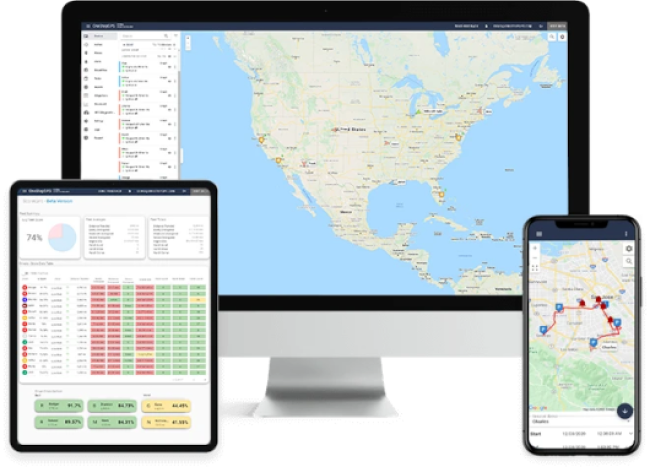
Driver behavior scorecards
The safest fleets don’t guess — they coach. One Step GPS gives you clear visibility into each driver’s trends: speeding, braking, idle time, and more. Use that data to support safe habits, lower accident risk, and reduce wear and tear across your fleet.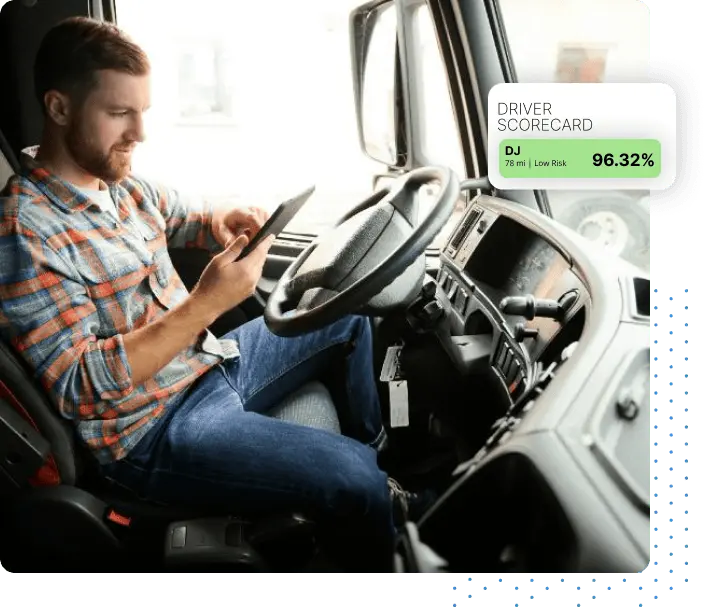
Asset trackers
Trailers. Generators. Containers. If it moves or gets left behind, it should be tracked. One Step GPS offers compact, long-life battery and solar trackers that help you monitor asset usage, prevent loss, and keep projects moving. With configurable alerts and simple reporting, you never lose track — even when assets aren’t powered.Automated maintenance alerts
Unexpected breakdowns crush productivity. Our platform uses mileage, engine hours, or specified dates plus real-time engine code readouts to trigger reminders and alerts before it’s too late, so you stay ahead of costly repairs and downtime.Simple compliance and reporting tools
DOT audits, inspection logs, IFTA — it’s all easier when your tracking platform handles it for you. One Step GPS gives you the reports you need in a few clicks, with all the relevant data already captured, organized, and accessible to everyone who needs it.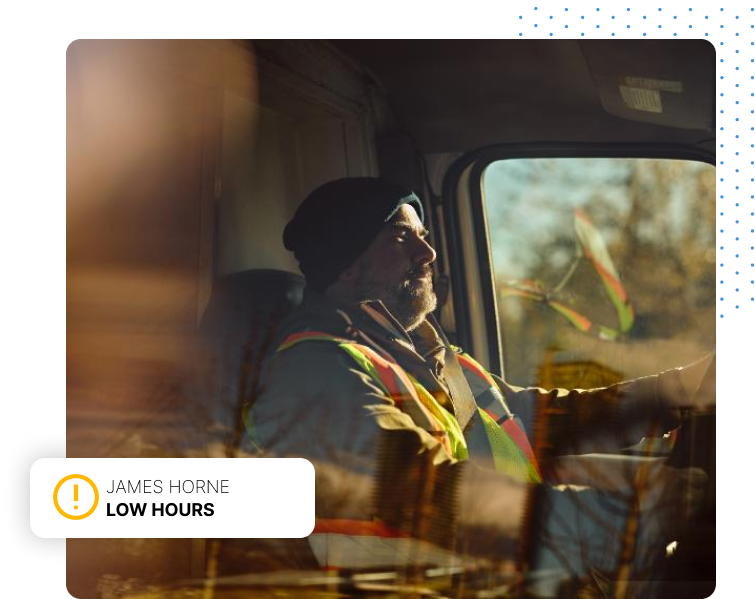
Common challenges in fleet management operations
Even with systems in place, fleet operations can feel like controlled chaos. Here are the sticking points that cost managers the most time, money, and control — and why they persist.Disjointed systems that don’t talk to each other
When GPS tracking, maintenance logs, and driver behavior data all live in different systems, things get messy — fast. You end up with duplicate entries, missing info, and slow response times. Even something simple, like confirming a delay, can turn into a wild goose chase.
One Step GPS brings all your tracking, behavior, and maintenance data into one live dashboard — no more flipping between platforms.
Pro buyer tip: Say goodbye to spreadsheet chaosStill bouncing between tools to pull trip history, maintenance logs, and behavior reports? One Step GPS brings it all into one dashboard — making dispatch, service planning, and compliance reporting simple and fast.Delayed or unreliable vehicle tracking data
Having GPS is one thing. Trusting it is another. Delayed updates or weak signal coverage leave dispatchers guessing — and when they guess wrong, customers get frustrated, fuel gets wasted, and accountability goes out the window.
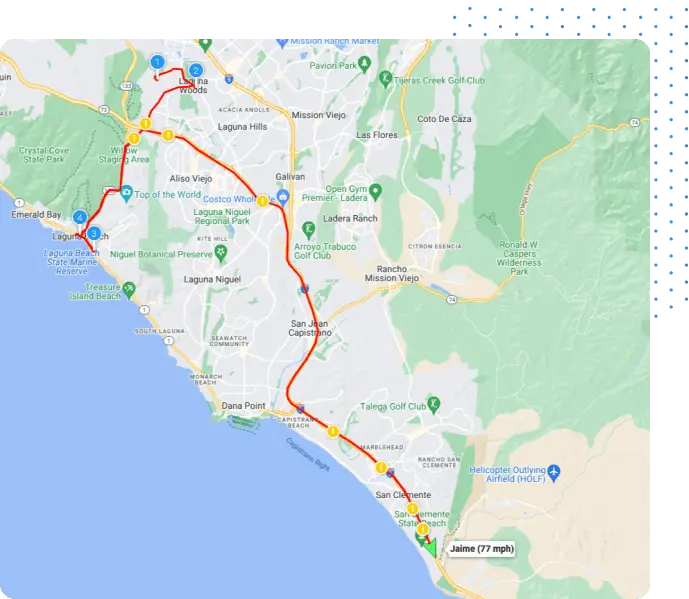
With One Step GPS, you get real-time updates as fast as every second — supported by roaming SIMs that connect to the strongest signal available and greater than 99.99% platform uptime.
Pushback from drivers on monitoring and scorecards
Rolling out driver behavior tracking can backfire if it’s not handled right. Some drivers see it as overreach, not support — especially if previous systems were used to micromanage. Without proper framing and feedback loops, you risk damaging trust and morale instead of improving safety.
One Step GPS makes safety transparent, not punitive — with clear scorecards and coaching tools that help you build trust, not resentment.
Lack of visibility on trailers, tools, and equipment
You can’t schedule a job if the trailer you need is across town — or worse, missing entirely. Many fleets still rely on phone calls or spreadsheets to track non-powered assets. That leads to delays, rushed replacements, and sometimes permanent losses that go unnoticed for weeks.
One Step GPS offers long-life, battery-powered asset trackers with geofence alerts and daily location updates — so you’re always in the loop.
Manual compliance processes that burn hours
DOT logs, inspection sheets, IFTA reports — they aren’t optional, but they also shouldn’t eat up your week. Paper checklists and scattered spreadsheets leave too much room for error and waste time your team doesn’t have.
One Step GPS automates trip histories, vehicle inspections, and logs — making compliance faster, cleaner, and a lot less painful.
Optimize management & fleet operations with One Step GPS
If you're still juggling disconnected tools, chasing down vehicles, or buried in spreadsheets, it's not your process that’s broken — it’s your platform.One Step GPS gives you total fleet visibility, fewer surprises, and more time back.
You’ll get live tracking with second-by-second updates, driver scorecards to improve safety and cut insurance risk, real-time maintenance alerts to reduce breakdowns, and battery-powered asset tracking — all from a single, intuitive system.
No contracts. No bloated software. Just the features that matter, the support you expect, and the clarity your team needs to run leaner every day.
I tried Verizon, I tried Samsara — support was a nightmare, and the platforms were overkill. One Step GPS is exactly what we needed: reliable tracking, straightforward tools, and people who actually pick up the phone.” — Verified Shopper Approved Review
Frequently asked questions
1. What does a fleet operations manager do?
A fleet operations manager oversees everything from vehicle tracking and maintenance scheduling to driver performance, fuel usage, and compliance. Their role is to keep the fleet running smoothly, safely, and within budget — while constantly looking for ways to improve efficiency and reduce risk.2. How do you measure success in fleet operations?
Success is measured by key performance indicators like cost per mile, vehicle uptime, maintenance turnaround, fuel efficiency, safety incident rate, and on-time delivery. A high-performing fleet stays compliant, avoids unplanned downtime, and consistently meets service goals without overspending.3. What are the fleet operations procedures?
Core procedures include daily vehicle tracking, pre- and post-trip inspections, mileage-based maintenance, driver behavior monitoring, fuel reporting, and compliance documentation (like DOT or IFTA). Well-documented processes help standardize operations, reduce liability, and ensure nothing important gets overlooked.Author

Mykael Korpash
Fleet and Tech writer
Table of Contents
Start using One Step GPS
Enterprise-grade fleet tracking, $13.95/mo, no contracts
100-day money back guarantee
Lifetime warranty
1-30 second updating
4G LTE Equipment
★★★★ ★ ★
4.9 / 5 Serving over 20,000 fleets
20,000+ of the world's fleets are monitored with One Step GPS























Author
Mykael Korpash
Fleet and Tech writer
Mykael writes on all things fleet and tech for One Step GPS. She has a nuanced knowledge of actual user experiences with fleet tracking software and of modern fleet issues and covers the most important topics in the space.