Fleet GPS Hardware & Deployment Models Explained
Jun 8, 2026•9m
A fleet that starts with 15 trucks can often end up managing much more than that over time.
If our example is a construction fleet, in a few years there may be trailers parked at job sites, seasonal equipment, supervisor vehicles, subcontractor vehicles, generators, skid steers, and a handful of newer vehicles with OEM telematics built in.
At that point it becomes noticeable that "GPS tracking hardware" is not a single category.
Different device types solve different problems, create different constraints, and expose different risks after rollout. Some are designed for rapid deployment. Others prioritize permanence, diagnostic depth, concealment, or battery longevity. Some fit cleanly into multi-year fleet planning. Others become difficult to scale or maintain as the fleet evolves.
These factors are not often prioritized during evaluation but can produce very different experiences after deployment.
The obvious questions are:
- How fast can this be installed?
- What features are advertised with it?
- How reliable is the hardware after two summers and two winters?
- What happens when devices begin failing late in the contract term?
- Can the deployment adapt if the fleet changes vehicle count or mix?
- Does the hardware model make switching easier or harder later?
- What operational friction appears once dozens or hundreds of devices are active simultaneously?
Why fleets end up with multiple deployment models
A fleet might begin its search for a new telematics provider assuming there is a single "best" hardware type. Often a single device type is ideal, other times a mixed deployment is the preferable solution.
A field services fleet may use:
- Plug-in devices for supervisor vehicles
- Hardwired trackers for theft-sensitive assets
- Battery-powered trackers for trailers
- Dashcams equipped with AI detection to create safer fleets and exonerate drivers.
- OEM integrations for newer vehicles
A tracker optimized for diagnostic visibility in a light-duty pickup won't work in a trailer parked for weeks without external power. A device designed for hidden installation may be unnecessary for low-risk vehicles. A battery-powered asset tracker may prioritize longevity over reporting frequency.
As fleets grow hardware demands often grow with them, and the choice becomes about:
- Matching deployment model to operational conditions
- Minimizing long-term maintenance friction
- Preserving flexibility as fleet composition changes
The major fleet GPS deployment models
Plug-in GPS trackers
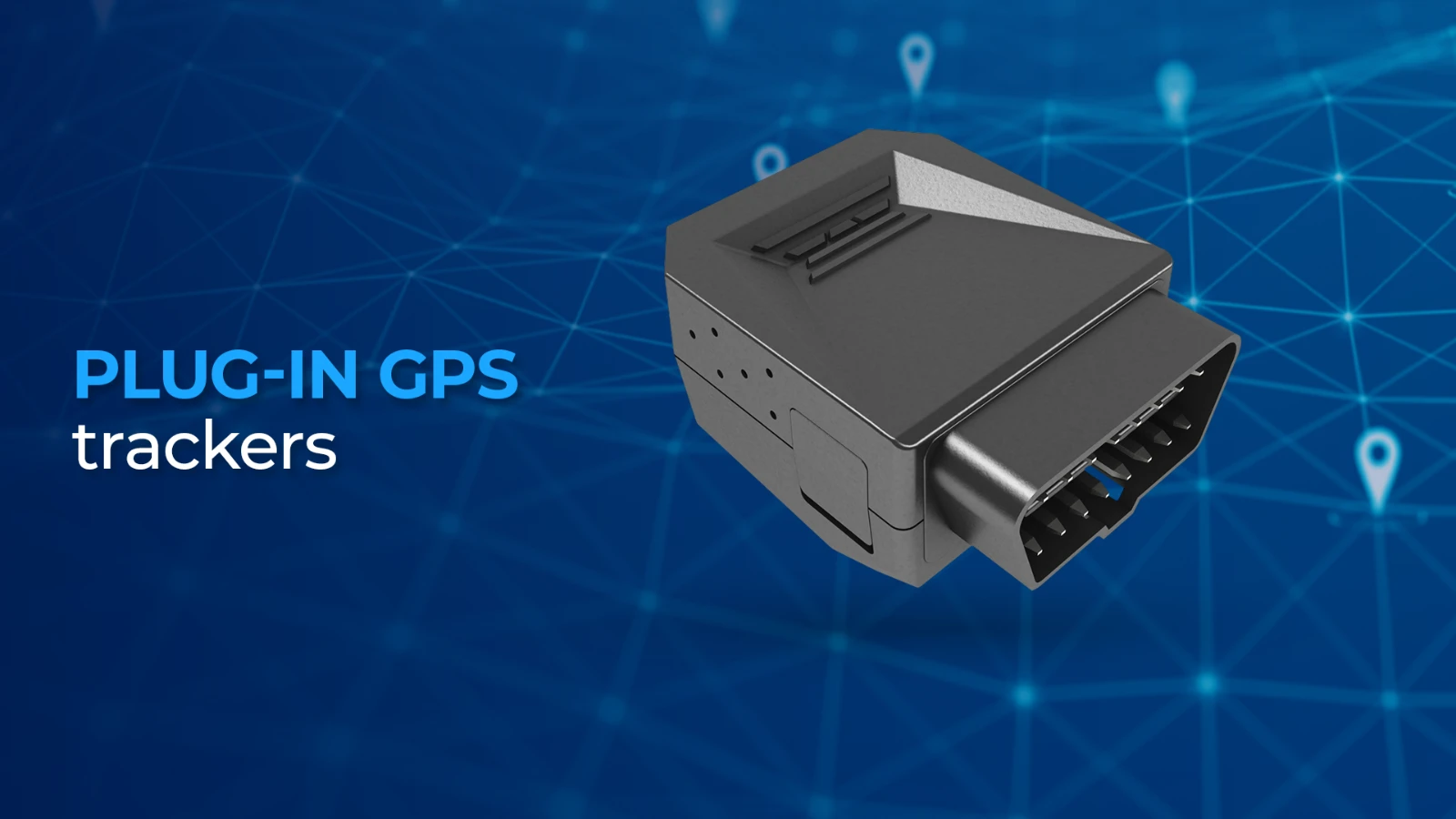
Plug-in GPS trackers connect through a vehicle diagnostic port, commonly OBD-II in light-duty vehicles. Heavy-duty vehicles, yellow iron, and other non-standard vehicle types can usually connect to a plug-in tracker with an adaptor cable.
These deployments are typically chosen when fleets want:
- Rapid deployment
- Minimal installation downtime
- Access to vehicle diagnostic data
- Easier reassignment between vehicles
- Diagnostic trouble codes
- Odometer readings
- Engine-related data
- Fuel-related data
- Maintenance visibility
As well as familiar GPS tracking tools like real-time location, driver behavior alerts, and breadcrumb map recreation.
By nature, plug-in devices are physically accessible, which means they are generally easier to disconnect, tamper with, or remove than concealed hardwired installations. Many fleets mitigate this with hidden extensions that install the unit behind the dash.
Certain use cases are not suited to plug-in devices because they require direct wiring rather than diagnostic-port access:
- Starter disable functionality
- External sensor inputs
- Reefer monitoring
- Door sensors
- Deeper electrical integrations
Where plug-in deployments commonly fit
- General fleets looking for standard GPS tracking functionality
- Rapidly growing fleets
- Maintenance-focused deployments
- Fleets with frequent vehicle reassignment
Where they may be non-optimum
- Applications requiring wired functions a plug-in cannot accommodate
- Environments demanding maximum concealment
Hardwired GPS trackers
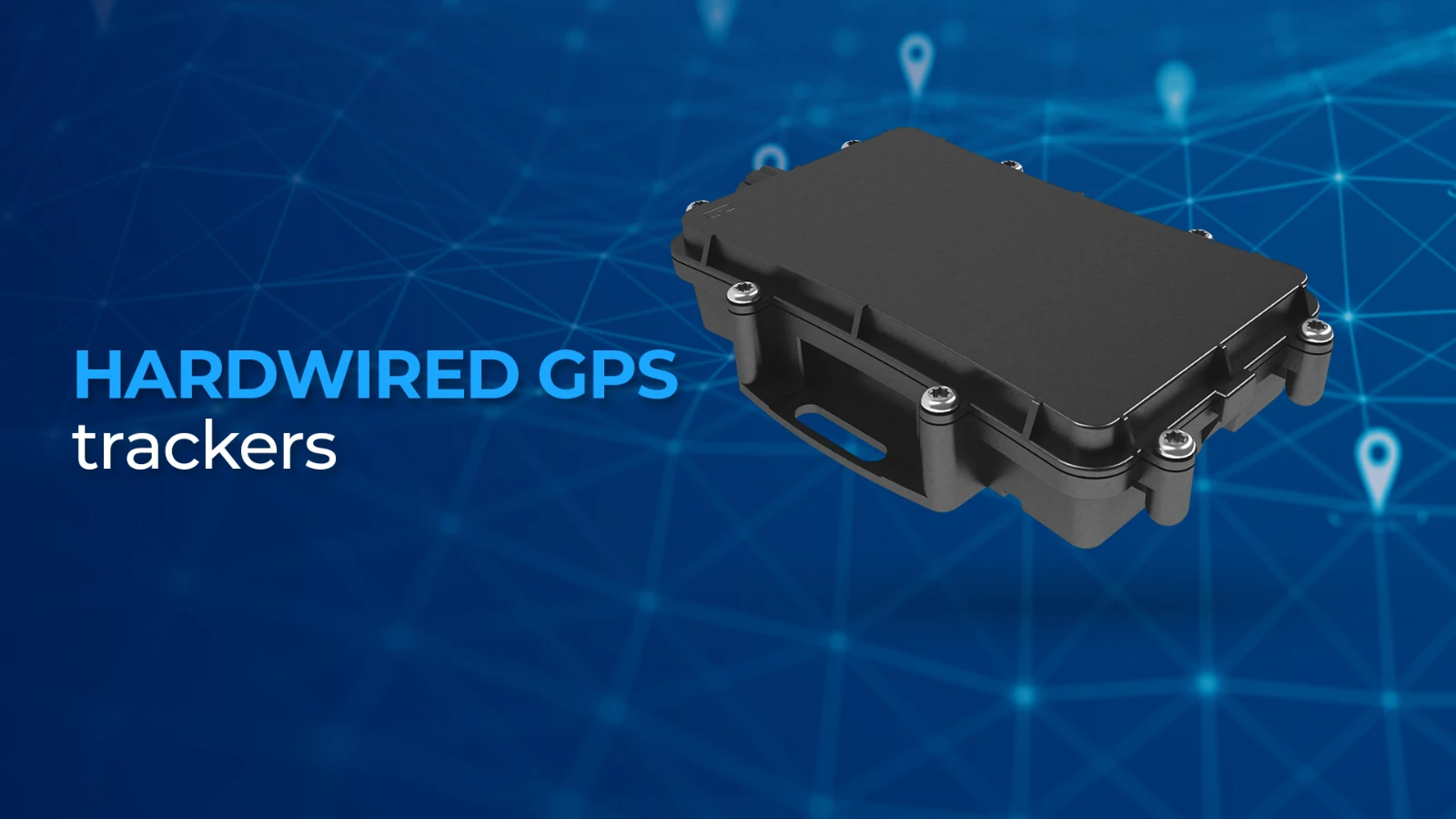
Hardwired GPS devices connect directly into vehicle electrical systems.
These deployments are generally selected when fleets prioritize:
- Permanence
- Concealment
- Wired control functions
- Broader sensor integration
Because the device is integrated into vehicle power and wiring, hardwired deployments are typically more difficult to disconnect casually and can support capabilities not normally available through plug-in approaches.
These may include:
- Starter disable systems
- PTO monitoring
- External sensors
- Refrigerated trailer monitoring
- Driver identification hardware
- More complex multi-input configurations
Because they don't receive OBD data, they generally do not report fault codes and engine states the way a plug-in device can.
A long-term consideration to account for is that removing and replacing permanently installed hardware across dozens or hundreds of vehicles requires more coordination than simply reassigning plug-in devices. It affects:
- Installation planning
- Downtime coordination
- Technician requirements
- Migration sequencing
- Long-term labor demands
However, some providers offer a wiring harness to make this process simple.
For fleets with high theft exposure, remote equipment, or that have extended operational requirements, these tradeoffs may be acceptable or even necessary.
Battery-powered asset trackers
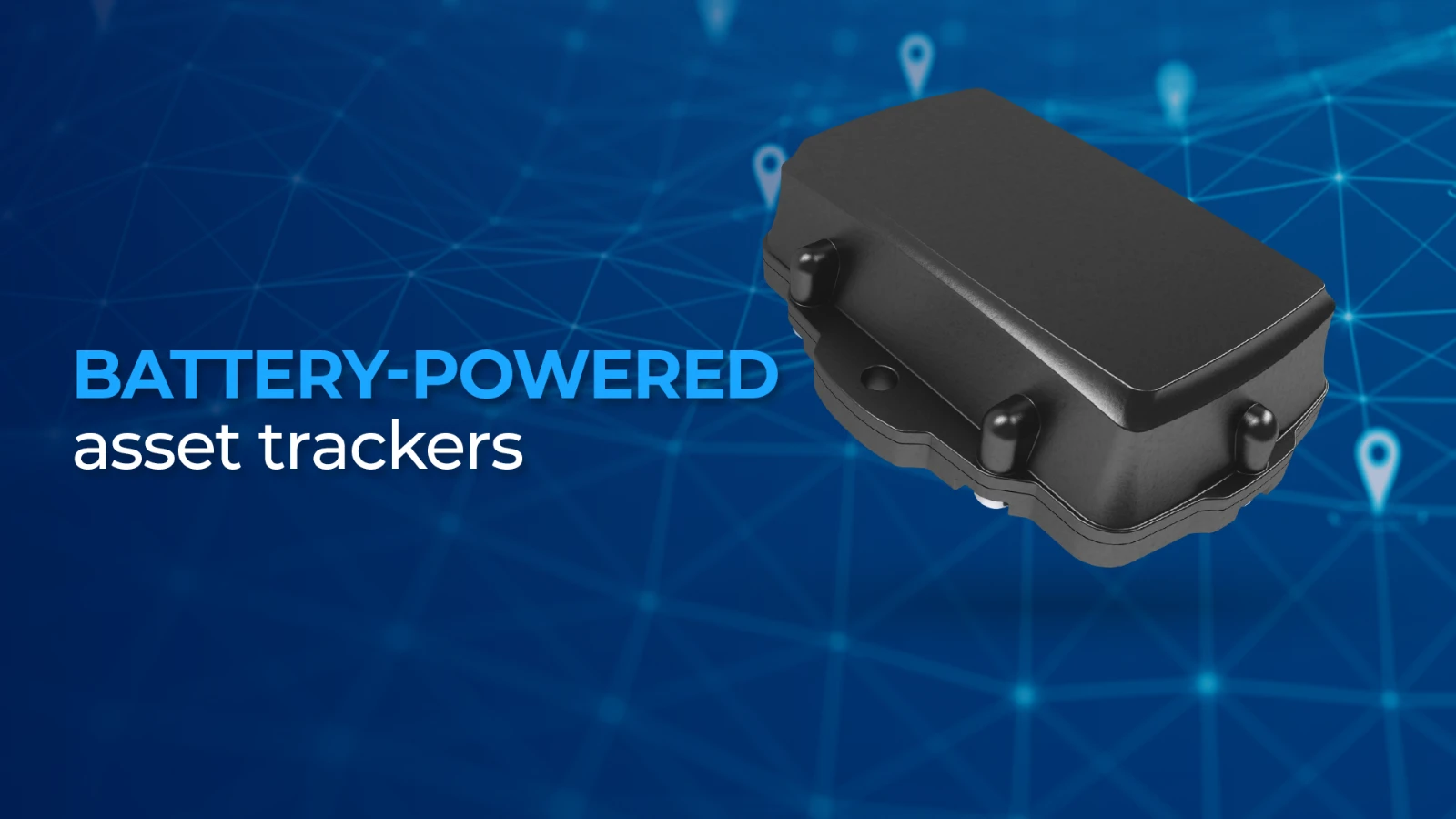
- Trailers
- Containers
- Generators
- Non-Powered equipment
- Intermittently powered assets
This class of device prioritizes deployment flexibility and non-powered operation rather than the deep vehicle integration that plug-in and wired trackers provide.
Because they do not rely on external vehicle power, they can continue reporting while detached, parked, or inactive for extended periods.
That flexibility comes with limitations like:
- Reporting frequency
- Battery longevity
- Less reporting detail
A tracker configured for highly frequent updates will consume battery faster than one configured for periodic reporting. That can make battery replacement a recurring maintenance item.
A successful configuration aligns reporting expectations with actual operational need rather than maximum reporting frequency by default.
Solar-powered asset tracking
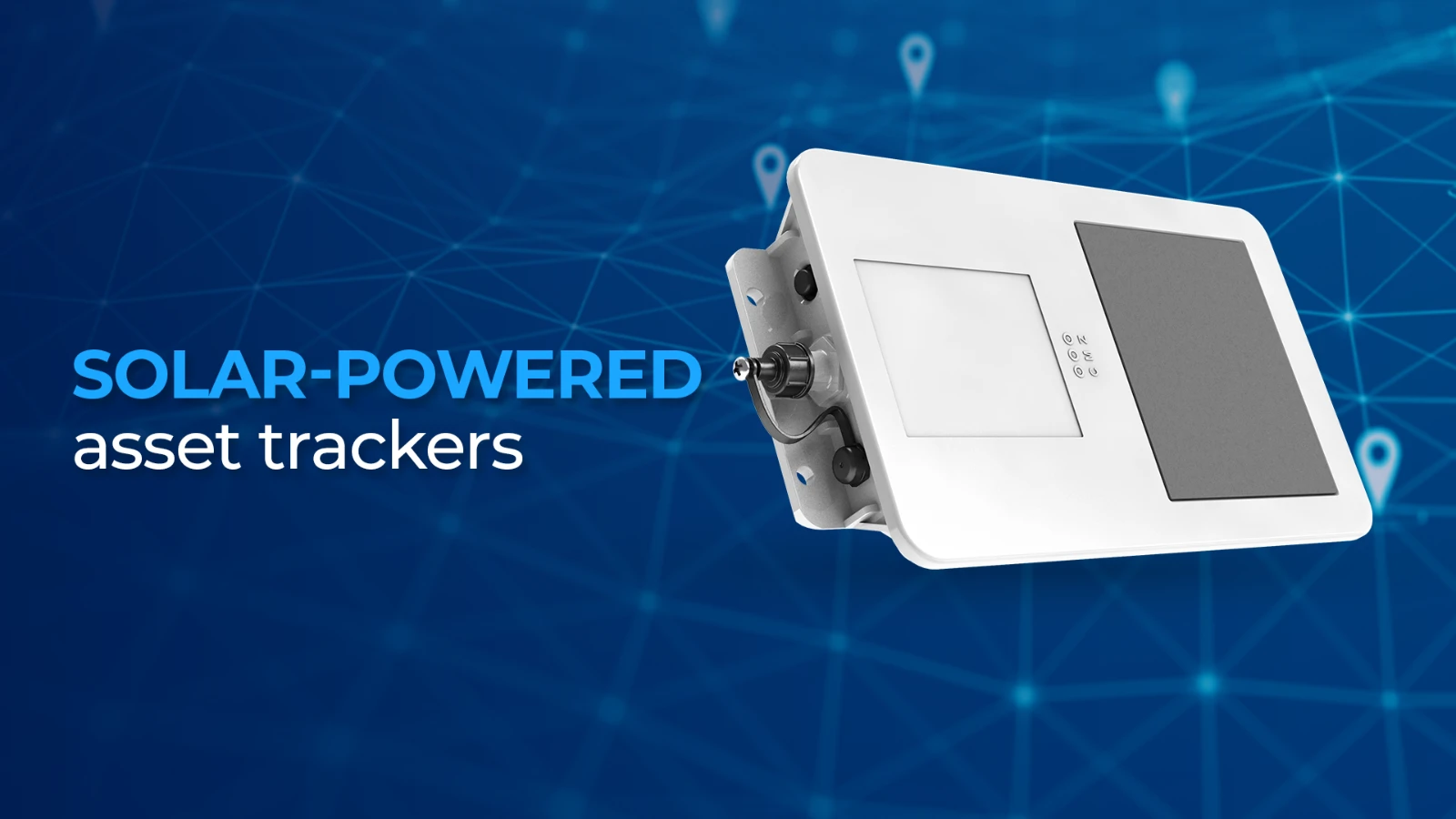
Solar-powered tracking can be a great choice where assets spend meaningful time outdoors and battery replacement logistics are difficult.
Typical use cases include:
- Trailers
- Construction equipment
- Containers
- Remote site assets
These systems aim to reduce maintenance burden by extending operating lifespan through solar charging. However, success depends on environmental conditions.
Tree cover, weather patterns, seasonal usage, and physical placement can affect charging consistency.
Dashcam-integrated telematics
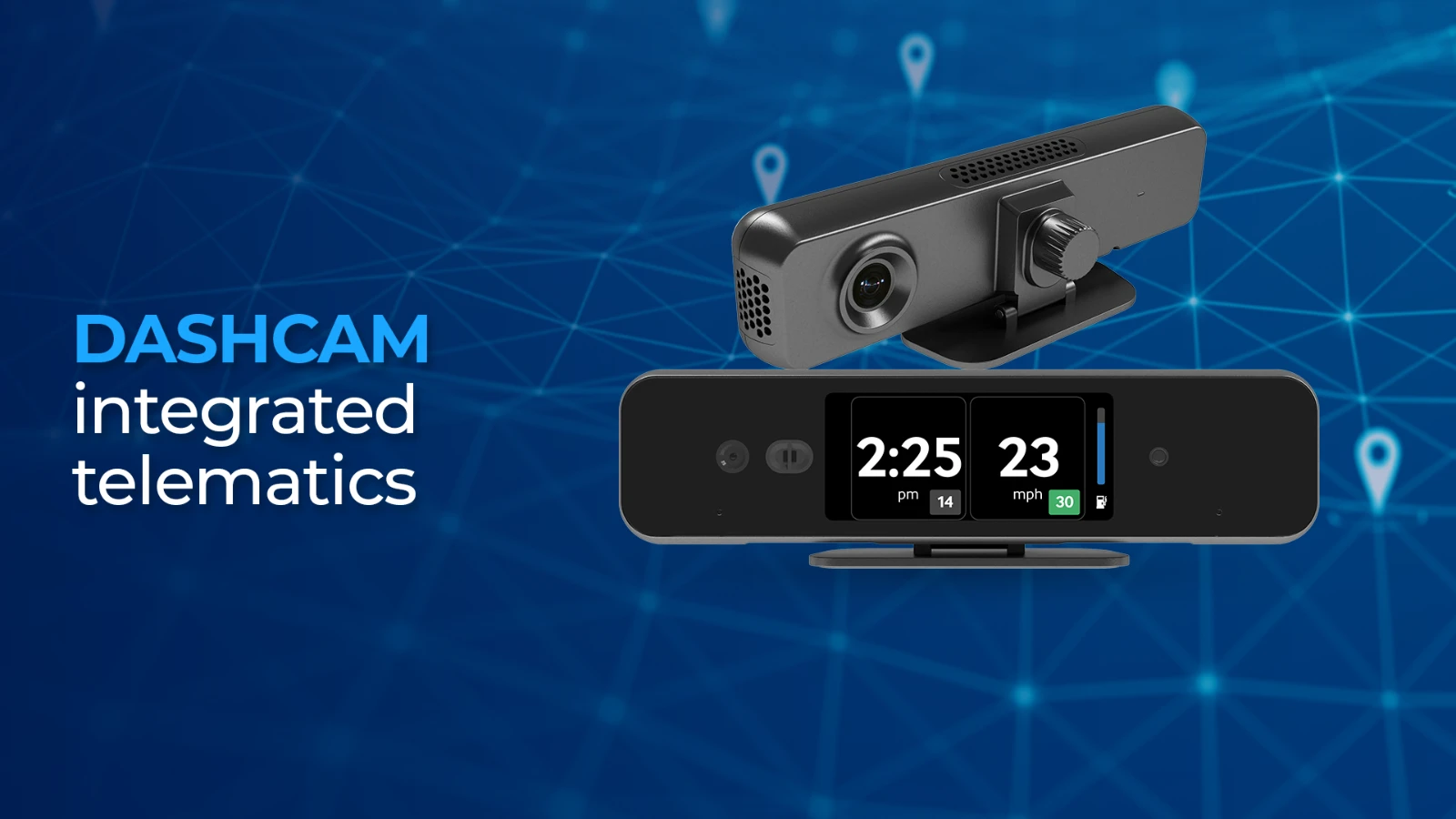
Some fleets deploy GPS tracking primarily through AI dashcam systems rather than standalone trackers. In these deployments, the camera provides robust functionality for safety and liability-reduction and also handles the job of a standard telematics device.
This model is often driven by:
- Safety programs
- Coaching workflows
- Insurance pressure
- Claims documentation
- Driver accountability initiatives
- Location tracking
- Event recording
- Driver behavior monitoring
- Video retrieval
- Coaching workflows
However, the primary value comes from how effectively collected data is used.
Video retention, driver communication policies, privacy expectations, live in-cab alerts, driver coaching, and incident review workflows all become more significant once cameras are deployed at scale.
As a result, dashcam-centered deployments often create broader organizational implications than GPS tracking alone..
Full-featured safety platforms often surface the events captured by the camera's AI by reporting them to managers, aggregating events by driver, providing breadcrumb trails that show when and where events occurred, and automating coaching workflows.
Some cameras deliver live in-cab alerts to drivers the moment an unsafe behavior is detected. Academic research indicates that real-time in-cab alerts are among the most effective mechanisms for producing immediate behavioral correction, and that consistent feedback delivery produces meaningful reductions in speeding and aggressive driving events over time.
These features are designed to minimize the organizational overhead of running a safety program at scale — though the broader implications of camera deployment, including privacy expectations, driver communication, and incident review workflows, remain considerations that extend beyond the technology itself.
OEM telematics and embedded vehicle data
Many newer vehicles ship with manufacturer-embedded telematics capabilities.
In these deployments, fleets may access vehicle data through OEM integrations rather than installing aftermarket hardware on every vehicle. Getting your fleet online is a simple as signing up for service, no waiting for hardware or scheduling for employees to come in to install units.
However, OEM telematics introduce constraints to be aware of:
- Data availability varies significantly by manufacturer
- Supported signals can differ across vehicle types and model years
- Integrations with your preferred telematics provider are not always available
- Mixed-OEM fleets can create fragmented data environments
- Data portability may become more complicated during provider transitions
- Feature support
- Whether the data is reliably available
- Whether it remains portable later
- If the data is compatible with other devices
Hybrid deployments are increasingly common
Many fleets opt for hybrid setups rather than any single model. An asphaulting fleet, for example, may simultaneously manage:- Hardwired heavy equipment
- Battery-powered trailers
- AI dashcams in supervisor vehicles
- Plug-in devices for its general fleet
- Unified reporting
- Support coordination
- Replacement processes
- User training
- Data continuity
- Integration governance
Device reliability and warranty structure
In a review of the causes of fleet management dissatisfaction, 30% of users cited faulty or buggy devices as a factor, so a few minutes researching a provider's reputation is often time well spent.
Some examples of how devices fail are:
- Inconsistent reporting behavior
- Frequent loss of cellular converage
- Vehicle electrical/systems interference
- Devices going offline inexplicably
- Replacement delays
- Managers spend time reconstructing reports that should be available
- Time is spent in troubleshooting the device itself
- Vehicles rack up downtime for replacement installs
- The install labor itself ads cost
Issues with unreliable devices can multiply across your fleet — where a single unreliable device causes friction, 15 inconsistent devices across multiple crews can create dispatch uncertainty, support overhead, and loss of trust in the system itself.
This is one reason to evaluate not only hardware specifications, but also provider device reputation, replacement responsiveness, and warranty structure.
Hardware warranty varies meaningfully across providers. Some warranties are limited to specific contract periods, certain device classes, or active subscription priods, while others provide broader lifetime replacement coverage.
Some questions to consider:
- How quickly are failed devices replaced?
- Do device failures create additional charges?
- Does warranty coverage meaningfully align with term lengths?
- What happens late in the contract if hardware reliability declines?
Hardware ownership and deployment flexibility
Fleet GPS providers use different device ownership models:- Purchased hardware, owned by the fleet
- Bundled hardware, included as a line item in monthly bills
- Loaned hardware, owned by the provider, typically returned at end of service
- OEM hardware, no aftermarket parts needed
- Upfront and long-term costs
- Migration complexity
- Replacement planning
- Cancellation logistics
- Asset recovery
- Long-term flexibility
- Purchased hardware may increase upfront cost
- Lloaned hardware may reduce upfront spend but create return obligations later
- Bundled hardware can obscure the distinction between service cost and equipment cost
What fleets often underestimate during evaluation
Most fleet GPS evaluations focus heavily on feature lists. But over time, it's common to discover friction from factors not originally considered:- Hardware consistency
- Replacement responsiveness
- Deployment flexibility
- Support coordination
- Migration constraints
- Reporting reliability
- Integration stability
When fleets should evaluate deployment architecture
Hardware decisions are rarely reviewed until something goes wrong:- Unreliable reporting
- Rising replacement rates
- Expansion into new vehicle or asset types
- Migration planning
- Renewal evaluation
- Safety program expansion
What to do next
If you're evaluating providers:- Compare deployment architectures, not just feature lists
- Clarify hardware replacement processes and warranty handling before signing
- Evaluate how device reliability, migration effort, and deployment flexibility behave over time rather than only during onboarding
Author

Mykael Korpash
Fleet and Tech writer
Table of Contents
Start using One Step GPS
Enterprise-grade fleet tracking, $13.95/mo, no contracts
100-day money back guarantee
Lifetime warranty
1-30 second updating
4G LTE Equipment



★★★★ ★ ★
4.9 / 5 Serving over 20,000 fleets
20,000+ of the world's fleets are monitored with One Step GPS




























Author
Mykael Korpash
Fleet and Tech writer
Mykael writes on all things fleet and tech for One Step GPS. She has a nuanced knowledge of actual user experiences with fleet tracking software and of modern fleet issues and covers the most important topics in the space.